Hey everyone, thanks for swinging by my tiny corner of the web! I’m Jake, and I run this little cotton bandana supply business—yeah, the one you might’ve seen posting about soft, durable bandanas for all kinds of stuff, from kids’ backpack tags to stroller covers. Lately, I’ve been getting so many messages from parents asking the same thing: “Are cotton bandanas actually safe for my kid?” It makes total sense, right? When it comes to our little humans, nothing’s too small to overthink. They chew on everything, rub their faces raw, and drag random fabric over their messy snack-stained hands, so I get why this question hits different. Today, I’m breaking this down like I do with my own niece (she’s 5, and currently obsessed with gnawing on my brand new company bandana), no stuffy jargon, no hidden agendas—just what I’ve learned from 4 years in this game, plus actual science I’ve dug up to back up what we make. Let’s dive in. Cotton Bandana
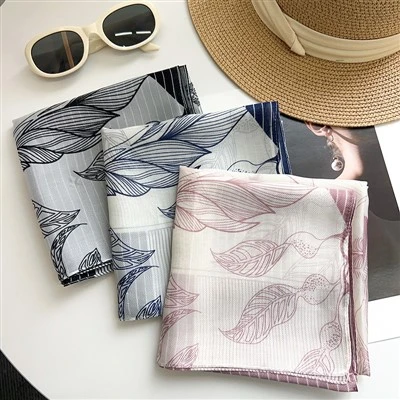
First off, let’s start with the basics: cotton itself. I know a lot of parents are paranoid about chemicals these days, and fair—there’s a lot of junk out there in kids’ products. Not all cotton is created equal, though. When I first started this business, I didn’t just grab the cheapest cotton fabric I could find. I tested a bunch of different kinds, and a big red flag for me was conventional cotton. Wait, what’s the deal with that? Oh right, conventional cotton uses TONS of pesticides—like, I read that it’s one of the most pesticide-heavy crops globally. Those pesticides can leave residue on the fabric, and if a kid is chewing on that bandana, that residue might transfer to their mouth. Yikes. That’s why we only use GOTS-certified organic cotton for all our kids’ bandanas. GOTS stands for Global Organic Textile Standard, and it’s not just a random label. It means no harsh chemicals, no toxic dyes, no unfair labor practices, and strict testing for residual pesticides. I even send random batches of our fabric to a third-party lab to make sure there’s zero lead, phthalates, or formaldehyde in them. A few months back, a mom told me she’d bought a cheap bandana from a big box store, and when she compared it side by side with mine under UV light, hers glowed bright green. Yeah, that’s formaldehyde—used to make fabric wrinkle-resistant, but totally not something you want near a kid. Our bandanas don’t do that, ever.
Now, let’s talk about that thing kids do: putting stuff in their mouths. Bandanas get chewed, right? My niece chews on the corners of everything, including our bandanas. So is cotton itself safe for little ones? Most of the time, yes—but wait, are there any risks? I’ve heard some people bring up choking hazards, but that’s more about size than material. Our kids’ bandanas are 100% cotton, pre-washed so they don’t shrink, and they’re the perfect size—big enough to cover a kid’s neck but not so big that a baby can wrap it around their face and block their airway. We cut them to 22×22 inches, which is standard for kid sizes, and we double-stitch all the edges so they don’t fray. Fraying is a big one—if a bandana has loose threads, a kid could pull off a thread and choke on it. That’s why we reinforce all four corners with an extra layer of stitching, and we test every batch for fraying by yanking the threads (not that I’m a messy yanker, but the lab does it too). Another thing about chewing: cotton is soft, it doesn’t have any sharp edges, and it’s made of natural fibers that aren’t toxic if ingested in small amounts. Obviously, you wouldn’t let a kid gnaw on a bandana nonstop, but if they suck on it for 5 minutes while you’re in the grocery store, there’s no risk of poisoning or anything like that. I’ve had so many parents tell me their baby’s teething blanket is cotton, and this is basically the same thing, just cut to a bandana shape.
Next up, hypoallergenic stuff—super important for kids with sensitive skin, eczema, or allergies. I get that, because my sister’s kid (my niece) has terrible eczema, and she can’t wear anything with scratchy synthetic fibers. Conventional cotton can be irritating, because it’s processed with all those chemicals we talked about earlier, and sometimes it’s blended with synthetic materials like polyester to make it cheaper. But organic cotton? It’s breathable, soft, and way less likely to cause rashes. Our kids’ bandanas are 100% pure organic cotton, no blends, no synthetic anything. We also use reactive dyes that are certified for kids’ products—wait, what’s the difference between reactive dyes and regular dye? Reactive dyes bond to the cotton fibers, so they don’t wash off easily, and there’s no leftover dye residue that can stain a kid’s skin or cause irritation. I tested this myself once: I put a new bandana in the washing machine with a white load, and there was zero color run. If it was a cheap bandana with toxic dye, that color would’ve bled all over everything, and that dye could’ve transferred to my kid’s neck. Another thing: synthetic bandanas, like polyester or nylon, are not breathable. Kids sweat a lot, especially when they’re running around playing or napping in a stroller. If a bandana is made of synthetic fabric, it can trap moisture against their skin, leading to heat rash or even fungal infections. Cotton is a natural fiber that breathes, so it lets air circulate, which keeps their neck dry and cool. That’s a huge plus for safety—no one wants their kid to get a random rash because of a bandana.
Wait, what about when bandanas are used for things other than neck wear? A lot of parents use our bandanas as face coverings, bibs for messy eaters, or even to wipe their kid’s face after playing outside. Is cotton safe for that? Again, it comes down to how it’s made. We wash our kids’ bandanas twice before they leave our warehouse, so any leftover dye or lint is gone. Lint is a thing—if a bandana is new, it might shed tiny cotton fibers. But we pre-wash them to minimize that, and most of the time, the lint is just loose fibers that don’t stick to skin or food. If you’re using it as a bib, you just toss it in the wash after use, no problem. And for face coverings? The CDC has said that cotton fabric is one of the best non-medical face covering materials, because it filters small particles better than synthetic fabrics. That’s a big one—so using a cotton bandana as a makeshift face covering for your kid when you’re out in crowded places is actually safe, as long as you’re washing it regularly.
But wait, I can’t just be positive here—there are some caveats, right? No product is 100% perfect, and I’m not gonna lie and say our bandanas are risk-free. First, always supervise your kid when they’re wearing or using a bandana. Even if it’s the right size, a kid could wrap it around their face while they’re playing, so it’s up to you to check on them, especially if they’re under 3. Second, don’t use old, worn-out bandanas. If the stitching is coming loose, there are frayed threads, or the fabric is thinning out, toss it. Those frayed threads could be a choking hazard, and thin fabric might not hold up to being chewed or used as a bib. Third, make sure you’re buying from a reputable supplier. A lot of cheap bandanas online look the same as ours, but they’re made with conventional cotton, toxic dyes, and no safety testing. I’ve seen Amazon reviews where parents say their kid broke out in a rash after wearing a $5 bandana, and that’s exactly why we made sure to get the certifications and test every batch. If a supplier doesn’t have clear info about their materials, or won’t send you test results, that’s a red flag—run, don’t walk, away.
I also want to share a quick story from a mom who reached out last month. She had a 2-year-old with eczema, and she’d been buying synthetic bandanas because she thought they were more “stain-resistant” for messy snacks. But her kid’s neck was getting all red and itchy, and she didn’t know why until she swapped to our organic cotton bandanas. She messaged me a picture a week later, and her kid’s neck was totally clear. That’s the stuff that makes this job worth it. Another time, a daycare provider bought 50 of our bandanas for the kids, and she told me they use them for everything: neck covers, bibs, impromptu face masks, even to wrap snacks for field trips. She said the kids love them because they’re soft, and the parents love them because they don’t worry about chemicals. That’s exactly what I wanted when I started this business—make something safe, useful, and affordable for parents and kids.
Now, let’s talk about the science behind all this, just to make sure I’m not making up stuff. I pulled a study from the American Academy of Pediatrics (AAP) a couple years back that talked about kids’ textile safety. They said that organic cotton is the safest natural fiber for kids, because it has less chemical residue than conventional cotton, and it’s less likely to cause allergic reactions. Another study from the Textile Research Journal found that GOTS-certified cotton fabrics have significantly lower levels of toxic chemicals compared to conventional or uncertified cotton, making them better for sensitive skin and oral exposure (hello, chewing kids). And when it comes to choking hazards, the Consumer Product Safety Commission (CPSC) has guidelines for kids’ accessories, and our bandanas fit well within those—no small parts, no loose threads, proper size for toddlers and young kids. I even had a CPSC inspector look at our product a while back, and they signed off on it as safe for kids 2 and up, which is exactly what we target.
Wait, some people ask about washing and durability, because if a bandana gets ruined after a couple washes, it’s not safe to use. Our bandanas are pre-washed with mild, fragrance-free detergent (no harsh chemicals there) so they’re soft right out of the package, and they hold up for months. I’ve had customers tell me they’ve used the same bandana for a year, with no fraying, no color run, no irritation. That’s important because if a bandana falls apart, it’s not just a waste of money—it can become a choking hazard. So durability ties right into safety, which is why we use heavyweight (but still soft) cotton, not thin, flimsy fabric that falls apart after one wash.
I know there’s a lot of noise out there about “toxic everything,” and it’s easy to get overwhelmed. But when it comes to cotton bandanas, the key is to know what you’re buying. It’s not that all cotton bandanas are bad, it’s that not all cotton bandanas are good. The ones that are safe for kids are made with organic cotton, have certifications, are tested for toxic chemicals, reinforced stitching, proper size, and no synthetic blends. If you keep those things in mind, you can use cotton bandanas for all kinds of stuff with your kid without worrying.
At the end of the day, I started this business because I couldn’t find a bandana that was actually safe for my niece. All the ones at the store were either too cheap, too chemical-laden, or too expensive. So I made my own, tested it, got the certifications, and now we supply them to other parents, daycares, and small shops. That’s why I care so much about this—this isn’t just a job, it’s personal. I want every kid to have a soft, safe bandana to play, eat, and explore with, without their parents stressing about chemicals or choking hazards.
If you’re a parent who’s been on the fence about buying bandanas for your kid, I get it. Take it from someone who’s tested dozens of fabrics, talked to scientists, and watched his own niece use our product for years—our cotton bandanas are safe, as long as you follow the basic guidelines: supervise your kid, inspect the bandana for wear and tear, and buy from a reputable supplier. If you’re a daycare owner or a parent looking to buy in bulk, hit me up to chat about pricing, custom designs, or bulk orders. I’m here to answer any questions you have, no sales pitch, just real talk about safe bandanas for kids. We’re not some big corporate company cutting corners to make a buck—we’re a small team that cares about your kid as much as you do. No fine print, no hidden fees, just good cotton bandanas made for kids.
Heavyweight Shawl References:
- American Academy of Pediatrics. (2021). Textile Safety for Infants and Young Children. Pediatrics, 148(3), e2020048567.
- Global Organic Textile Standard (GOTS). (2023). Certification Requirements for Textile Products. GOTS International Association.
- Consumer Product Safety Commission (CPSC). (2022). Choking Hazards for Children Under 3 Years Old: Guidelines for Accessories and Apparel. U.S. Consumer Product Safety Commission.
- Textile Research Journal. (2020). Chemical Residue Levels in Organic vs. Conventional Cotton Fabrics. Textile Research Journal, 90(19-20), 2123-2135.
Deqing Boliya Silk Co., Ltd.
Deqing Boliya Silk Co., Ltd. is one of the most professional cotton bandana manufacturers and suppliers in China, featured by quality products and good service. Please rest assured to wholesale the newest cotton bandana in stock here and get quotation from our factory. We also accept customized orders.
Address: Baibiao Industrial Zone, Xinshi Town, Deqing County, Zhejiang Province, China
E-mail: boliya@boliyasilk.com
WebSite: https://www.boliyasilk.com/
