Hey there! I’m a supplier of Plastic Corrugated Pipe Machines. Over the years, I’ve seen firsthand how optimizing the production process can make or break a business. In this blog, I’m gonna share some tips on how to optimize the production process of a Plastic Corrugated Pipe Machine. Plastic Corrugated Pipe Machine
Understanding the Basics
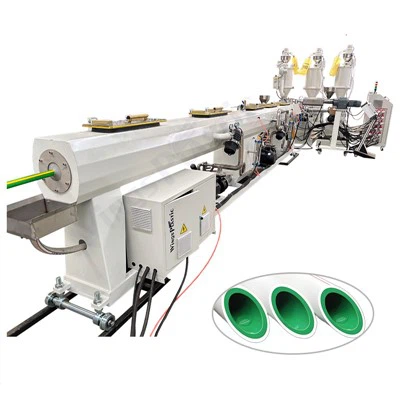
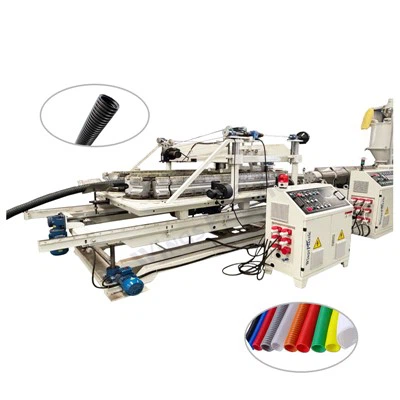
First things first, let’s talk about the basic components of a Plastic Corrugated Pipe Machine. The main parts usually include an extruder, a corrugation unit, a cooling system, and a cutting device. The extruder melts the plastic raw material and pushes it through a die to form a continuous tube. The corrugation unit then shapes the tube into a corrugated pipe. The cooling system is used to solidify the pipe, and the cutting device cuts the pipe into the desired length.
To optimize the production process, we need to understand how each part works and how they interact with each other. For example, the temperature and pressure settings in the extruder can greatly affect the quality of the plastic melt. If the temperature is too high, the plastic may degrade; if it’s too low, the melt may not flow smoothly. Similarly, the speed and pressure in the corrugation unit need to be carefully adjusted to ensure the proper formation of the corrugations.
Raw Material Selection
The choice of raw materials is crucial for optimizing the production process. Different types of plastics have different properties, such as melting point, viscosity, and strength. For Plastic Corrugated Pipe Machines, common plastics used include polyethylene (PE), polypropylene (PP), and polyvinyl chloride (PVC).
PE is a popular choice because it’s flexible, durable, and resistant to corrosion. PP is known for its high stiffness and heat resistance. PVC is often used for its good chemical resistance and low cost. When selecting the raw material, we need to consider the specific requirements of the final product, such as its diameter, wall thickness, and application.
It’s also important to ensure the quality of the raw material. Contaminated or low – quality plastics can cause problems during the extrusion process, such as blockages in the die or uneven melting. We should work with reliable suppliers and conduct regular quality checks on the incoming raw materials.
Extruder Optimization
The extruder is the heart of the Plastic Corrugated Pipe Machine. To optimize its performance, we need to pay attention to several factors.
Temperature Control
As I mentioned earlier, temperature control is critical. We should set the temperature zones in the extruder according to the type of plastic being used. For example, for PE, the temperature in the feeding zone is usually around 150 – 170°C, while in the metering zone, it can be around 180 – 200°C. Using a good temperature control system with accurate sensors can help maintain a stable temperature and ensure a consistent plastic melt.
Screw Design
The screw design in the extruder also plays an important role. A well – designed screw can improve the mixing and melting of the plastic. There are different types of screws, such as single – screw and twin – screw extruders. Twin – screw extruders are generally more efficient in mixing and can handle a wider range of materials. We can choose the appropriate screw design based on the production requirements and the type of plastic.
Feeding System
The feeding system should be able to supply the raw material to the extruder at a constant rate. An inconsistent feeding rate can lead to uneven extrusion and affect the quality of the pipe. Using a volumetric or gravimetric feeder can help ensure a stable feed rate.
Corrugation Unit Optimization
The corrugation unit is responsible for giving the pipe its corrugated shape. Here are some ways to optimize its performance.
Mold Design
The mold in the corrugation unit needs to be well – designed to produce high – quality corrugations. The shape, size, and pitch of the corrugations should be carefully considered according to the requirements of the final product. A good mold design can also reduce the wear and tear on the machine and improve the production efficiency.
Cooling in the Corrugation Process
Proper cooling is essential during the corrugation process. The plastic needs to be cooled quickly enough to maintain the shape of the corrugations, but not too quickly to avoid internal stresses. We can use water cooling or air cooling systems in the corrugation unit. Water cooling is usually more efficient, but it requires proper water management to prevent rust and other problems.
Speed Synchronization
The speed of the extruder and the corrugation unit needs to be synchronized. If the speed of the corrugation unit is too fast or too slow compared to the extruder, it can result in uneven corrugations or even breaks in the pipe. We should adjust the speed settings carefully to ensure a smooth and continuous production process.
Cooling System Optimization
The cooling system is responsible for solidifying the plastic pipe after it is extruded and corrugated.
Cooling Time and Temperature
The cooling time and temperature need to be carefully controlled. If the cooling time is too short, the pipe may not be fully solidified, which can lead to deformation. If the cooling temperature is too low, it can cause excessive internal stresses. We can adjust the cooling time and temperature based on the type and thickness of the pipe.
Cooling Medium
As mentioned before, water and air are common cooling media. Water cooling is more effective for larger pipes or pipes with thicker walls. Air cooling is suitable for smaller pipes or when a more gentle cooling is required. We can also use a combination of water and air cooling to achieve the best results.
Cutting Device Optimization
The cutting device is used to cut the pipe into the desired length.
Cutting Accuracy
To ensure the cutting accuracy, we need to calibrate the cutting device regularly. The cutting blade should be sharp and in good condition. A dull blade can cause rough cuts and affect the quality of the pipe ends.
Cutting Speed
The cutting speed should be coordinated with the production speed of the pipe. If the cutting speed is too slow, it can slow down the entire production process. If it’s too fast, it may cause the pipe to break or deform.
Maintenance and Monitoring
Regular maintenance of the Plastic Corrugated Pipe Machine is essential for optimizing the production process. We should clean the machine regularly to prevent the buildup of plastic residues, which can affect the performance of the machine. Lubricating the moving parts can also reduce friction and wear.
Monitoring the machine’s performance is also important. We can use sensors to monitor parameters such as temperature, pressure, speed, and current. By analyzing the data collected from these sensors, we can detect potential problems early and take preventive measures.
Conclusion
Optimizing the production process of a Plastic Corrugated Pipe Machine involves a combination of factors, from raw material selection to machine maintenance. By paying attention to each step in the process and making the necessary adjustments, we can improve the quality of the pipes, increase the production efficiency, and reduce the production cost.
If you’re interested in our Plastic Corrugated Pipe Machines or want to discuss how to optimize your production process further, don’t hesitate to get in touch. We’re here to help you take your business to the next level.
Plastic Spiral Corrugated Pipe Machine References
- Smith, J. (2018). Handbook of Plastic Pipe Extrusion and Processing. Publisher XYZ.
- Johnson, A. (2019). Advances in Plastic Corrugated Pipe Manufacturing Technology. Journal of Plastic Manufacturing, 25(3), 45 – 56.
Qingdao Wings Plastic Technology Co., Ltd.
As one of the most experienced plastic corrugated pipe machine manufacturers and suppliers in China, we also support customized service. Please feel free to buy durable plastic corrugated pipe machine made in China here from our factory. For price consultation, contact us.
Address: C02 Of Anshengyi Road, No.2 Fuan Industry Zone,Jiaodong Town, Jiaozhou City, Qingdao City, Shandong Province,China
E-mail: kelly@wingsplastic.com
WebSite: https://www.wingsextruder.com/
