Hey there, fellow parents and caregivers! As a supplier of baby underpads, I get this question a lot: "How often should I change a baby underpad?" It’s a super important question, and the answer can make a big difference in your baby’s comfort and health. So, let’s dive right in and break it down. Baby Underpad
Understanding the Basics of Baby Underpads
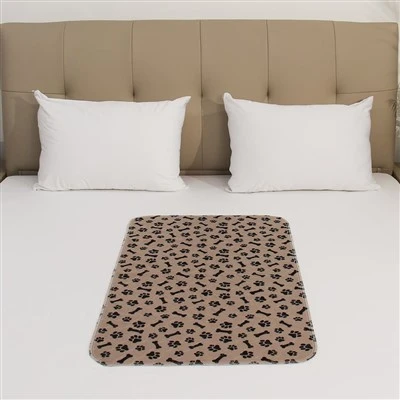
First off, let’s talk a bit about what baby underpads are and why they’re so useful. Baby underpads are absorbent pads that you place under your baby, whether it’s on a changing table, in a crib, or even in a stroller. They’re designed to catch any messes – be it pee, poop, or spit-up – and keep your baby’s environment clean and dry.
One of the main benefits of using baby underpads is that they protect your furniture and bedding from stains and odors. No one wants to deal with a soiled mattress or a stinky changing table, right? Plus, they’re super convenient. You can just toss them in the trash or wash them (depending on the type) and replace them with a fresh one.
Factors That Determine How Often to Change a Baby Underpad
Now, let’s get to the heart of the matter – how often you should change those underpads. There are a few factors that come into play here.
1. Baby’s Age
Newborns tend to pee and poop a lot more frequently than older babies. In the first few weeks of life, a newborn can have up to 10 wet diapers and 3 – 4 bowel movements a day. That means you’ll probably need to change the underpad every time you change the diaper. As your baby gets older, the frequency of pee and poop decreases. By the time they’re 6 months old, they might have 4 – 6 wet diapers and 1 – 2 bowel movements a day. So, you can change the underpad a bit less often, maybe every 2 – 3 diaper changes.
2. Type of Mess
Not all messes are created equal. A small pee stain is a lot different from a big, messy poop. If it’s just a little bit of pee, you might be able to get away with leaving the underpad in place for a bit longer. But if there’s poop, it’s best to change it right away. Poop can contain bacteria that can cause skin irritation and infections, so you don’t want to let it sit on the underpad for too long.
3. Absorbency of the Underpad
The absorbency of the underpad also plays a role. Some underpads are more absorbent than others. If you’re using a high – absorbency underpad, it can hold more liquid before it needs to be changed. On the other hand, if the underpad is less absorbent, you’ll need to change it more often.
4. Baby’s Activity Level
If your baby is very active and moves around a lot, they might spread the mess more. This can make the underpad dirtier faster, so you might need to change it more frequently. For example, if your baby is rolling around on the underpad or kicking their legs, the pee or poop can get smeared, and the underpad will need to be replaced sooner.
General Guidelines for Changing Baby Underpads
Based on the factors above, here are some general guidelines to help you figure out how often to change a baby underpad:
Newborns
For newborns, it’s a good idea to change the underpad every time you change the diaper. This ensures that your baby is always lying on a clean and dry surface. Since newborns have sensitive skin, keeping them clean is crucial to prevent diaper rash and other skin problems.
Infants (1 – 6 months)
If it’s just a pee stain, you can change the underpad every 2 – 3 diaper changes. But if there’s poop, change it immediately. At this age, babies are starting to become more active, so you might also want to check the underpad more often to make sure it’s still clean.
Older Babies (6 months and up)
For older babies, you can change the underpad every 3 – 4 diaper changes if it’s just pee. Again, if there’s poop, change it right away. As your baby gets older, they might also start to eat solid foods, which can make their poop more solid and less messy. But it’s still important to keep the underpad clean.
Signs That It’s Time to Change the Underpad
Even if you’re following the general guidelines, there are some signs that it’s definitely time to change the underpad:
Visible Stains
If you can see a big stain on the underpad, it’s time to change it. Whether it’s pee, poop, or spit-up, a visible stain means that the underpad is no longer clean.
Odor
If the underpad starts to smell, it’s a clear sign that it needs to be changed. Odors can be a sign of bacteria growth, which can be harmful to your baby.
Wetness
If the underpad feels wet to the touch, it’s time to replace it. A wet underpad can make your baby uncomfortable and increase the risk of diaper rash.
The Importance of Changing Baby Underpads Regularly
Changing baby underpads regularly is not just about keeping things clean. It’s also important for your baby’s health.
Preventing Diaper Rash
Diaper rash is a common problem among babies, and it’s often caused by prolonged exposure to wetness and bacteria. By changing the underpad regularly, you can keep your baby’s skin dry and reduce the risk of diaper rash.
Reducing the Risk of Infections
Bacteria can grow on a dirty underpad, and if your baby comes into contact with these bacteria, it can lead to infections. Changing the underpad often helps to keep the bacteria levels down and protect your baby’s health.
Keeping Your Baby Comfortable
A clean and dry underpad makes your baby more comfortable. No one likes to lie on a wet or dirty surface, and your baby is no exception. By changing the underpad regularly, you can ensure that your baby is always comfortable.
Tips for Making the Most of Your Baby Underpads
Here are some tips to help you get the most out of your baby underpads:
Choose the Right Size
Make sure you choose the right size underpad for your baby and the surface you’re using it on. A too – small underpad might not catch all the messes, while a too – large underpad can be bulky and difficult to manage.
Use Multiple Layers
If you’re worried about a big mess, you can use multiple layers of underpads. That way, if the top layer gets dirty, you can just peel it off and reveal a clean layer underneath.
Store Them Properly
Keep your baby underpads in a clean and dry place. This helps to keep them fresh and ready to use when you need them.
Conclusion
So, there you have it – a comprehensive guide on how often to change a baby underpad. Remember, the frequency depends on your baby’s age, the type of mess, the absorbency of the underpad, and your baby’s activity level. By following the general guidelines and paying attention to the signs, you can keep your baby clean, comfortable, and healthy.
Microfiber Fabric If you’re in the market for high – quality baby underpads, we’ve got you covered. Our underpads are designed to be super absorbent, soft, and gentle on your baby’s skin. We offer a variety of sizes and styles to meet your needs. If you’re interested in learning more or placing an order, don’t hesitate to reach out to us. We’d love to have a chat and help you find the perfect baby underpads for your little one.
References
- American Academy of Pediatrics. (2023). Caring for Your Baby and Young Child: Birth to Age 5.
- Mayo Clinic. (2023). Diaper Rash.
Jiangsu Etang Household Products Co., Ltd.
We are one of the most professional baby underpad manufacturers and suppliers in China. With abundant experience, we warmly welcome you to buy bulk premium baby underpad made in China here from our factory. All customized products are with high quality and competitive price. Contact us for pricelist.
Address: No. 18 Nanhai Road, Siyang Economic Development Zone, Siyang County, Suqian City, Jiangsu Province
E-mail: etang216@js-et.com
WebSite: https://www.etangbedding.com/
