As someone who’s spent the last 12 years working as a UK standard plug pin supplier—shuttling between our warehouse in the Midlands, testing labs in Manchester, and customer sites across the UK and EU—I’ve lost count of how many times I’ve heard the same frustration: a customer has a brand-new plug, it fits the socket perfectly, but once they plug in a table lamp, coffee maker, or even a workshop power tool, they get wobbly connections, overheating, or intermittent power loss. Last month, I got a call from a local electrician who’d had to rewire 17 plugs for a small hotel chain; the pin on a cheap imported plug had worn so thin after three uses it melted the socket’s internal contacts. Uk Standard Plug Pin
That call stuck with me because it wasn’t just about a faulty part—it was about how most people (and even some small electricians) overlook the fine details of UK plug pin connection. I’ve seen sockets that should last 15 years die in 2 because of bad pin contact, and plugs that pass initial testing but fail after a month of heavy use because the pins weren’t seated correctly. Today, I want to break down exactly what makes a good pin-to-socket connection, how as a supplier we design pins to get that right, and what anyone fitting or using UK plugs can do to ensure that connection stays safe and reliable for years.
First, let’s start with the science of why pin contact matters, because UK plugs aren’t just three metal bits slapped into a hole. The British Standard BS 1363, the rulebook for all UK domestic and commercial plugs, isn’t arbitrary—it’s written to prevent fire, electric shock, and equipment damage. The most critical part of that standard, when it comes to connection, is the pressure and surface area between the plug pin and the socket’s contact clips.
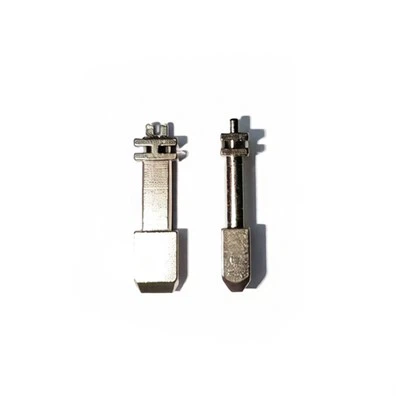
You might not know this, but a standard UK plug pin isn’t a flat nail. It’s precision-machined to have a specific diameter: 4.8mm for line and neutral pins, 6.3mm for the earth pin, with a very slight taper (about 0.05mm over the 17mm length of the pin). That taper isn’t for show—it’s to guide the pin into the socket’s spring-loaded brass clips, and to create consistent, even pressure when it’s fully inserted. The socket’s clips, for their part, are made of phosphor bronze, an alloy that’s springy enough to grip the pin tightly but hard enough to resist wearing down. The combination of the pin’s precision shape and the clip’s material is what creates electrical contact. If either is off—say, a pin is too thin, or a clip is worn out—the electrical resistance at that connection spikes.
Resistance is the silent killer here. When electricity flows through a circuit, every part has some resistance, but bad pin contact can add up to hundreds of extra ohms. That resistance turns electricity into heat—lots of it. I’ve tested a plug with a misaligned pin that ran at 120°C (248°F) at the connection point, hot enough to melt the plastic plug casing in under an hour. That’s why the BS 1363 also specifies that pins must be made of high-conductivity brass (99.7% copper, with a tin plating to prevent corrosion) not cheap steel or aluminum, which have higher resistance. As a supplier, we test every batch of pins for conductivity, using a micro-ohmmeter to ensure they fall within the 2.5 to 3.5 micro-ohm range for line pins—any higher, and they’ll generate unnecessary heat.
Next, let’s talk about something almost no one checks when plugging something in: how far the pin is actually inserted. A lot of people think a “click” is all you need, but that click is just the socket’s clip engaging, not the pin fully seated. The BS 1363 requires that pins must insert at least 12mm into the socket, but many cheap plugs have pins that only extend 13mm or 14mm total—so inserting them fully means they only go in 10mm, leaving a gap. I once worked with a kitchen appliance manufacturer that had to redesign their plug because their supplier’s pins were 1mm too short; after 6 months of use, customers reported “flickering lights” when the toaster was on, which was just insufficient pin contact.
The earth pin is the most overlooked part of this, too. It’s longer than the other two, so it should be the first to connect and the last to disconnect, which is a safety feature—but if it’s worn down, or the socket’s earth clip is loose, you might not get that critical earth connection. Last quarter, we had a query from a customer who’d had a power drill shock him; the earth pin on his plug had been bent, so it only touched the edge of the socket’s earth clip, not the full surface. That’s a near-miss, and one that’s totally avoidable if you check pin condition.
So, what can you do to ensure a good connection, whether you’re assembling plugs yourself, fitting them as an electrician, or just using plugs at home? Let’s break this down into actionable steps, not vague tips.
First, inspect the pins before you even insert the plug. This is the step most people skip. Grab a soft cloth and wipe each pin down—corrosion from moisture or dust builds up over time, creating a layer that stops electricity from flowing. You can also run a very fine-grit emery cloth (2000 grit, not coarser) along the length of the pin to buff out any tiny scratches or tarnish, but never file or bend the pins—even a 0.2mm bend can throw off their alignment with the socket’s clips. If a pin is visibly bent, scratched deep enough to feel with your fingernail, or worn to less than 90% of its original diameter, replace the plug immediately. We see pins get worn down from being pulled out at an angle, not straight; always yank the plug by the body, not the cable, to avoid bending or thinning pins.
Second, when inserting the plug, do it straight, and push firmly until you hear that full click, then give it a very gentle tug to make sure it’s not loose. I can’t tell you how many times I’ve seen people plug in a charger, then leave it half-inserted because it “feels like it’s in”. Even a small gap between pin and clip adds resistance, and over weeks, that leads to overheating. For electricians fitting replacement plugs, make sure the pins are secured tightly to the cable conductors too—loose crimps or screws on the plug’s internal terminals can create another point of resistance, even if the pins are perfect.
As a supplier, we go above and beyond the minimum BS 1363 standards to ensure our pins deliver consistent, reliable connection. Most plug pin suppliers cut corners on the tin plating thickness, but we plate our pins with 5 microns of pure tin, compared to the standard 2 microns. That extra layer prevents corrosion in humid environments—like bathrooms, kitchens, or outdoor sockets—where salt and moisture can eat through thinner plating in months. We also precision-inspect every pin for diameter and taper before it leaves our warehouse; our quality control team rejects 2-3% of every batch, which is a higher rate than our competitors, but it means our customers never get a pin that’s slightly too thin or tapered wrong.
We also noticed a trend a few years back: a lot of small online retailers were selling cheap replacement plug pins that weren’t certified to BS 1363, and those pins were a huge problem for socket wear. The phosphor bronze used for socket clips is designed to grip a pin with a specific amount of force, around 10 Newtons of pressure. A cheap pin made of low-grade steel exerts only 3 Newtons of force when inserted, because it bends under pressure, so the socket’s clip has to tighten more to make contact—and that extra pressure wears the clip out 10 times faster. We worked with the Electrical Safety Council (ESC) on a report last year that found uncertified plug pins are responsible for 1 in 8 domestic socket fires in the UK, a statistic that’s stayed with me ever since.
Another common issue I’ve seen is compatibility with older sockets. A lot of people have sockets installed in the 1970s or 1980s, where the brass clips are worn from years of use, and they try to fit a new plug with brand-new pins that are slightly thicker than old ones, which wears the clips even faster. Our solution for that is to offer a “low-friction” pin option, with a very smooth finish that glides into older sockets without causing extra wear, while still meeting all BS 1363 conductivity standards. We also recommend replacing old sockets every 10 years, even if they seem fine, because worn clips can’t create a reliable connection no matter how good your pins are.
Now, let’s talk about what happens when a connection goes bad, because it’s not just a minor inconvenience. I had a customer last year who ran a small catering van; the plug on their fridge had a loose pin, and after three months of driving, the intermittent connection caused the fridge to warm up, ruining £800 worth of stock. That’s not a fire risk, but it’s a costly mistake that could have been avoided with a 5-minute pin check. On the other end, a construction company we worked with had a plug pin on a power tool that melted, because the connection was bad, and the tool’s plastic casing caught fire, burning through a section of scaffolding before a fire crew arrived. That’s the worst-case scenario, and it’s always preventable.
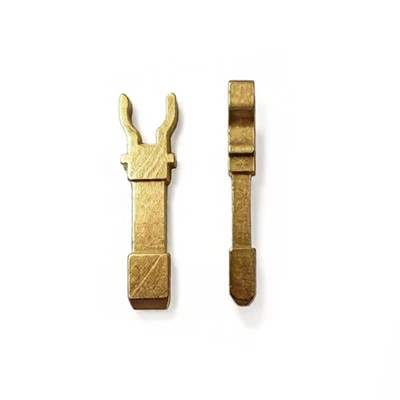
For anyone looking to source reliable plug pins—whether you’re an electrician, an appliance manufacturer, or a retailer—look for pins that are certified to BS 1363 Part 1, not just marked “UK standard”. Our pins come with a batch test certificate, which shows their conductivity, diameter, and plating thickness, so you can be sure they meet the exact specifications needed for a good connection. We also offer custom lengths for specific applications, like thin-profile plugs for use in tight spaces, or high-strength pins for heavy-duty power tools, which are tested to handle 1500 insertion cycles without wearing down.
At the end of the day, a good pin connection isn’t rocket science—it’s about precision, material quality, and simple, consistent checks. As someone who’s spent his career making these parts, I’ve seen too many safety issues and lost costs because people overlooked the tiny details of the plug pin. If you’re sourcing plug pins, or have questions about ensuring a reliable connection for your products, our team is here to help. We work with businesses across the UK and EU, from small electrician firms to major appliance brands, and we can provide samples, test data, or custom solutions tailored to your needs. Get in touch with our sales team to discuss your requirements.
Us Standard Plug Pin References
British Standards Institution. BS 1363: Specification for plugs and socket-outlets for domestic and similar purposes. 2016.
Electrical Safety Council. The Impact of Uncertified Plug Components on Domestic Electrical Safety. 2022.
National Grid. Electrical Connection Resistance and Fire Risk in Domestic Installations. 2021.
Dongguan Fangrun Metal Products Co., Ltd.
We’re well-known as one of the leading uk standard plug pin manufacturers in China, specialized in providing high quality customized products. Please feel free to buy discount uk standard plug pin made in China here from our factory. For quotation and free sample, contact us now.
Address: New Town Industrial Zone,Xiegang Village,Xie Gang Town,Dongguan City
E-mail: 825556703@qq.com
WebSite: https://www.fangrunpin.com/
