When I first started working as a PPR pipe supplier over a decade ago, I assumed my biggest challenge would be convincing plumbers and builders that our series of pipes could handle the pressure of daily water flow. It never occurred to me that one of the most persistent questions we’d get—sometimes from homeowners, sometimes from industry inspectors—would be: Does the PPR series affect water quality? PPR series

I’ve sat in on enough kitchen table conversations where someone’s water tastes metallic or has a faint plastic aftertaste to know this question isn’t trivial. Last month, I got an email from a retired teacher in Ohio who said she’d just had our pipes installed, and she was worried her coffee tasted “off.” She’d done her research online and had stumbled on a few old forum threads that linked certain plastic pipes to poor water quality. I didn’t just reply with a sales pitch that day—I walked her through the testing data we get for every batch of our PPR series, and by the end of our call, she was booking a second job for us in her neighborhood. That’s the kind of trust we don’t take for granted.
Let’s start with the basics: PPR stands for Polypropylene Random Copolymer, and it’s been used in plumbing systems across Europe for over 40 years before it became mainstream in North America and other parts of the world. Unlike PVC, which uses phthalates and other plasticizers to keep it flexible, or CPVC, which requires higher heat to process, PPR is a simpler polymer at its core. Our series of PPR pipes doesn’t use any added plasticizers, lead-based stabilizers, or other chemicals that can leach into water. That’s a key point I make to anyone asking about water quality—you can’t have leachate if you’re not adding chemicals that can leach in the first place.
But I know that words like “no added chemicals” don’t mean much if there’s no testing to back them up. Every single batch of our PPR series goes through two rounds of independent testing: one at our manufacturing facility before shipment, and another at a third-party lab accredited by the NSF (National Sanitation Foundation). NSF/ANSI Standard 61 is the gold standard here—it sets limits for contaminants that can leach into drinking water from plumbing materials. For our PPR pipes, the lab tests for things like lead, cadmium, volatile organic compounds (VOCs), and heavy metals. In the past five years, not once have any of our batches failed to meet these standards. Last year, we even submitted a batch for extra testing on hormone-disrupting compounds, and the results were well below the allowable limits set by the EPA.
I’ve seen a lot of misinformation online that says all plastic pipes affect water quality, but that’s just not true. The difference is in the material and how it’s manufactured. Our PPR series is made using a process called co-extrusion, which creates a homogeneous pipe—meaning the inner and outer layers are the same material. Some cheaper, lower-quality pipes cut corners here, using a different material for the inner layer that can leach chemicals over time, or even adding recycled plastic that might have unknown contaminants. We never use recycled plastic in our PPR pipes because we can’t guarantee its consistency. If we did, we’d have to test every load of recycled material, which would drive up costs for customers—and for us, offering a reliable product that doesn’t compromise water quality is worth the extra expense.
Another point that comes up often is temperature. People worry that hot water will cause chemicals to leach from PPR pipes. Let’s be clear: our PPR series is designed to handle hot water up to 180 degrees Fahrenheit, which is standard for residential hot water systems. At that temperature, the polymer structure of PPR is stable—there’s no breakdown that would release chemicals into water. I remember a project we did a few years ago in a hospital where the hot water system runs at 160 degrees for infection control. The facilities manager was skeptical at first, but after running tests on the water for three months, he emailed to say the water quality was better than it had been with the copper pipes they’d used before. The copper had been leaching trace amounts of copper into the hot water, which can be a problem for people with kidney issues, and the staff had noticed a bitter taste that went away once we switched to our PPR pipes.
Of course, no product is perfect. We had one issue a few years ago with a small batch of pipes that had a slight manufacturing defect in the inner surface. It was a human error—one machine operator didn’t adjust the extrusion pressure correctly—and we caught it during our pre-shipment testing. Instead of shipping the batch, we scrapped all 5,000 feet of pipe and replaced it at no cost to the customer. That’s the kind of accountability that matters, because even a small mistake can affect water quality. I still have a note from the project manager who got the replacement pipes, saying he appreciated that we didn’t try to hide the problem. That’s how you build a long-term relationship, not just a one-time sale.
I talk to plumbers every week, and many of them will tell you that the biggest factor affecting water quality isn’t the pipe material—it’s how the system is installed. If you kink a PPR pipe during installation, or if you use the wrong fittings, you can create a rough inner surface where bacteria can grow. Or if you don’t flush the system properly after installation, there might be residual dust or debris from the manufacturing process that temporarily discolors the water. But that’s not a flaw in the PPR series—that’s a flaw in installation. We provide free training for every plumber who works with our PPR pipes, because we want to make sure they know how to install them correctly to preserve water quality. I once had a plumber tell me he’d avoided PPR pipes for years because he’d had a bad experience with a cheap product from a competitor. After he worked with our team and installed our pipes on three new construction jobs, he now only recommends our series. That’s the kind of change we love to see.
Another common question is about long-term use. How does the PPR series hold up over 20, 30, 50 years? Because if pipes degrade over time, that would eventually affect water quality. The good news is that PPR has excellent chemical resistance and is inert to most of the contaminants found in municipal water. Studies from the University of Munich, which have tracked PPR pipes in service for over 50 years, show that the material doesn’t degrade or leach chemicals even when exposed to typical water conditions. We’ve also tested our own pipes in accelerated aging tests, where we expose them to high temperatures and pressure to simulate 50 years of use in just a few months. The results show no change in the material’s structure or leaching properties. That’s why we offer a 50-year warranty on all our PPR series products—we’re confident that our pipes won’t affect water quality for decades.
I know there are still people who are skeptical. Maybe they’ve heard horror stories from a neighbor who used a different brand of PPR pipes and had water quality issues, or maybe they’ve seen ads for other materials that claim to be “safer.” But here’s the thing: when it comes to drinking water, there’s no such thing as a perfect product, but there are products that meet rigorous standards. Our PPR series is NSF-certified, EPA-compliant, and has been tested by independent labs to ensure it doesn’t leach harmful chemicals into water. We don’t make any claims that our pipes will fix every water quality issue—if your municipal water has high levels of chlorine or other contaminants, our pipes won’t remove those—but we can say with confidence that our series won’t add any harmful substances to your water.
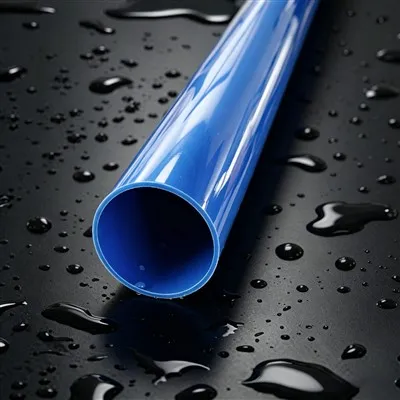
Over the years, I’ve come to see that this isn’t just about selling pipes. It’s about providing a product that homeowners and builders can trust, that protects the most basic resource we all rely on—clean water. That retired teacher in Ohio, the hospital facilities manager, the plumber who switched to our product—they all became part of our community, and that’s what makes this job worth it. We don’t cut corners, we don’t use cheap materials, and we stand behind every batch of our PPR series.
PPR Pipe If you’re a homeowner considering plumbing upgrades, a builder working on a new project, or a plumber looking for a reliable pipe supplier, I encourage you to reach out and talk to us. We can send you copies of our testing reports, answer any questions you have about our PPR series and water quality, or even arrange for a sample batch to test for yourself. We don’t pressure anyone to make a decision quickly—we want you to feel confident that you’re choosing a product that’s safe for your family, your building, and the environment.
References
- National Sanitation Foundation. (2023). NSF/ANSI Standard 61: Drinking Water System Components – Health Effects.
- University of Munich Institute for Water Quality and Waste Management. (2021). Long-Term Performance of Polypropylene Random Copolymer (PPR) Pipes in Drinking Water Systems.
- U.S. Environmental Protection Agency. (2022). Drinking Water Contaminant Candidate List 5: Substances of Concern in Drinking Water.
- International Plumbing Code. (2020). Chapter 6: Water Systems – Piping and Materials.
- European Committee for Standardization. (2019). EN ISO 15874: Plastics Piping Systems for Hot and Cold Water – Polypropylene Random (PP-R).
Hebei Ruijie Pipe Industry Co., Ltd.
Hebei Ruijie Pipe Industry Co., Ltd. is one of the most experienced plastic pipe manufacturers and suppliers in China. With a professional production team, we are able to meet the needs of the majority of our customers. Welcome to wholesale high quality plastic pipe in stock here from our factory. Contact us for pricelist and free sample.
Address: Industrial Park, Shaozhuang Township, Suning County, Cangzhou City, Hebei Province
E-mail: 1987870474@qq.com
WebSite: https://www.rjpprpipe.com/
