The design of feeding equipment plays a pivotal role in shaping animal feeding behavior. As a supplier of feeding equipment, I have witnessed firsthand how different designs can have a profound impact on how animals interact with their food. In this blog, I will explore the various ways in which the design of feeding equipment affects animal feeding behavior from multiple aspects, including the physiological and psychological needs of animals, as well as practical implications for farmers and animal caretakers. Feeding Equipment

Physical Design and Accessibility
The physical design of feeding equipment directly affects an animal’s ability to access food. For instance, the height and width of troughs or feeders are crucial factors for different species of animals. In the livestock industry, cattle require wider troughs compared to sheep due to their larger body size and broader muzzles. If the trough is too narrow, cattle may have difficulty getting their heads in to eat, which can lead to stress and reduced feed intake. Similarly, the height of the feeder needs to be appropriate. For poultry, a feeder that is too high can prevent smaller birds from reaching the feed, while a feeder that is too low may cause feed to be scattered and wasted.
The shape of the feeding equipment also matters. Round feeders are often preferred for some animals because they allow multiple animals to feed simultaneously without significant competition. Each animal can access the feed from different angles, which promotes more equal access. In contrast, long, narrow troughs may lead to more dominant animals monopolizing the feed at one end, leaving subordinate animals with less access.
The material of the feeding equipment is another important consideration. Smooth and non – abrasive materials are better for animals as they are less likely to cause injuries to the animals’ heads, mouths, or hooves during feeding. For example, in a pig pen, plastic or well – coated metal feeders are commonly used to prevent the pigs from getting cuts or scrapes while rooting around for food.
Feed Dispensing Mechanisms
The way feeding equipment dispenses feed can significantly influence animal feeding behavior. Automatic feeders that dispense small amounts of feed at regular intervals can mimic natural foraging behavior in animals. In the wild, herbivores spend a large part of their day grazing on small amounts of food throughout the day. By using automatic feeders that dispense feed in this manner, animals are encouraged to eat more frequently in smaller quantities, which is beneficial for their digestive health.
On the other hand, free – flow feeders that allow continuous access to feed may lead to overeating in some animals. Pigs, for example, are prone to obesity if they have unrestricted access to feed. In such cases, feeders with adjustable flow rates can be a solution. These feeders can be set to control the rate at which feed is released, thereby preventing animals from consuming too much food at once.
Some feeding equipment is designed to dispense feed based on the animal’s weight or feeding history. This is particularly useful in commercial livestock production, where different animals may have different nutritional requirements. For example, in a dairy farm, cows that produce more milk may require more feed. Feeders that can adjust the amount of feed dispensed according to the cow’s individual needs can optimize feeding efficiency and improve milk production.
Visual and Olfactory Factors
The appearance and smell associated with feeding equipment can also affect animal feeding behavior. Animals are often attracted to familiar – looking feeding equipment. In a poultry farm, if the feeder has a consistent color and shape, chickens are more likely to recognize it as a source of food. Additionally, the smell of the feeding equipment can either attract or repel animals. If the feeder has a strong, unpleasant odor, animals may be reluctant to approach it.
Some feeding equipment can be designed to enhance the olfactory appeal of the feed. For example, certain types of feeders can be equipped with compartments that allow for the addition of natural flavorings or scents that are appealing to animals. In a horse stable, adding a small amount of apple – flavored oil to the feeder can make the feed more enticing for the horses, increasing their willingness to eat.
Social Dynamics and Feeding Equipment Design
The design of feeding equipment can either facilitate or disrupt social dynamics among animals. In a group – housing setting, such as a cattle feedlot or a pig barn, the layout of the feeding equipment can influence how animals interact with each other during feeding. If there are not enough feeding spaces, animals will compete for access to the feed, which can lead to aggressive behavior. This not only causes stress to the animals but can also result in injuries and uneven growth rates.
To promote more harmonious social interactions, feeding equipment can be designed to provide sufficient space for each animal. For example, using multiple small feeders instead of one large one in a pig pen can reduce competition. This way, more pigs can feed at the same time without feeling the need to fight for food.
Moreover, the design can also be used to separate animals of different ages or social hierarchies. In a chicken coop, using different levels of feeders can allow chicks and adult chickens to feed separately, reducing the risk of aggression from adult birds towards the younger ones.
Impact on Animal Welfare
The design of feeding equipment has a direct impact on animal welfare. When animals have easy access to food, can feed in a natural and comfortable way, and can interact with their peers without excessive competition during feeding, their overall well – being is enhanced. Animals that are stressed or unable to access food properly are more likely to develop health problems, such as digestive disorders, reduced immune function, and behavioral issues.
For example, in a dairy farm, if cows are forced to stand in an uncomfortable position to reach the feed or are constantly bullied by other cows during feeding, their milk production may decline. By using well – designed feeding equipment that takes into account the cows’ physical and social needs, farmers can promote better animal welfare and ultimately achieve higher productivity.
Practical Implications for Farmers and Animal Caretakers
From the perspective of farmers and animal caretakers, the design of feeding equipment can have a significant impact on operational efficiency and cost. Well – designed feeding equipment can reduce feed waste. For example, feeders with anti – spill features can prevent feed from being scattered on the floor, which not only saves money but also keeps the animal housing environment cleaner.
In addition, easy – to – clean feeding equipment can save time and labor costs. In a large – scale poultry or livestock operation, cleaning the feeders regularly is essential to prevent the growth of bacteria and diseases. Equipment that is made of materials that are easy to disinfect and has a simple design without many hard – to – reach corners can make the cleaning process much more efficient.
The choice of feeding equipment design also needs to be based on the specific needs of the farm. A small – scale family farm may require more simple and affordable feeding equipment, while a large – scale commercial operation may be willing to invest in more advanced automatic feeding systems that can provide precise control over feed dispensing and monitoring.
Conclusion
In conclusion, the design of feeding equipment has a far – reaching impact on animal feeding behavior, animal welfare, and the practical aspects of animal husbandry. As a supplier of feeding equipment, it is our responsibility to understand the complex relationship between equipment design and animal behavior in order to provide the best solutions for farmers and animal caretakers.
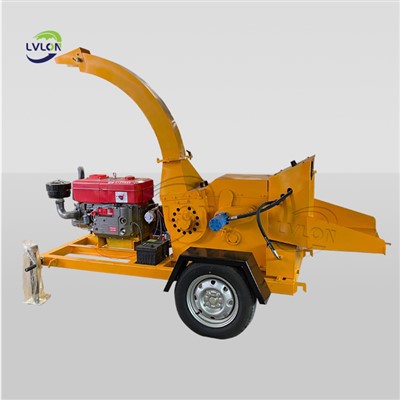
We are committed to developing feeding equipment that takes into account all the factors mentioned above, such as physical design, feed dispensing mechanisms, social dynamics, and the impact on animal welfare. Our products are designed to enhance the natural feeding behavior of animals, reduce stress, and improve overall productivity.
Incubators If you are interested in learning more about our high – quality feeding equipment or would like to discuss your specific feeding needs, we encourage you to contact us for a detailed consultation. Our team of experts is ready to assist you in choosing the most suitable feeding solutions for your animals.
References
- Jensen, P. (2002). The ethology of domestic animals: an introductory text. CABI.
- Hurnik, J. F., Phillips, C. J., & Schaefer, A. L. (1995). Social factors affecting the welfare of group – housed dairy cows. Applied Animal Behaviour Science, 44(1 – 2), 119 – 142.
- Appleby, M. C., Mench, J. A., & Olsson, I. A. S. (2004). Animal welfare. CABI.
- Rostagno, H. S., Almeida, F. N., & Oliveira, V. N. (2015). Brazilian tables for poultry and swine: composition of feedstuffs and nutritional requirements. Universidade Federal de Viçosa, Viçosa, MG, Brazil.
Henan Lvlon Industrial Co., Ltd.
We’re well-known as one of the leading feeding equipment suppliers in China, featured by quality products and good price. Please rest assured to buy high-grade feeding equipment for sale here from our factory. Welcome to view our website for more information.
Address: Unit 5, 5th Floor, Building 11, No. 18 Dongfeng Road, Jinshui District, Zhengzhou City, Henan Province.
E-mail: lvlonxu@gmail.com
WebSite: https://www.lvlonmachinery.com/
