What is the maximum load a tractor can carry? This is a question that often comes up among farmers, construction workers, and anyone who relies on tractors for heavy – duty tasks. As a tractor supplier, I’ve had numerous conversations with customers about this very topic, and I’m here to shed some light on it. Tractor
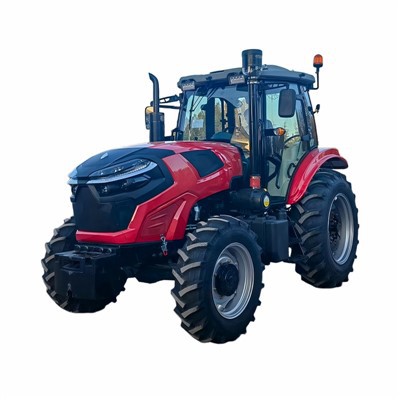
Understanding Tractor Load Capacity
The maximum load a tractor can carry is not a one – size – fits – all number. It depends on several factors, including the tractor’s design, engine power, transmission, and the type of implements it is using.
Tractor Design
Tractors come in different sizes and configurations. Compact tractors, which are typically used for small – scale farming, landscaping, or light construction, have a relatively lower load – carrying capacity compared to larger agricultural or industrial tractors. The frame and chassis of a tractor are designed to support a certain amount of weight. A larger tractor with a more robust frame can handle heavier loads. For example, a compact tractor might have a maximum load capacity of around 1,000 – 2,000 pounds, while a large agricultural tractor could carry upwards of 10,000 pounds or more.
Engine Power
The engine is the heart of the tractor, and its power plays a crucial role in determining the load – carrying capacity. A more powerful engine can generate more torque, which is essential for moving heavy loads. Tractors with higher horsepower engines can pull and lift heavier implements. For instance, a tractor with a 50 – horsepower engine will have a different load – carrying ability than a 150 – horsepower one. The latter can handle larger plows, trailers, and other heavy equipment.
Transmission
The transmission of a tractor also affects its load – carrying capacity. There are different types of transmissions, such as manual, automatic, and hydrostatic. A well – designed transmission can efficiently transfer the engine’s power to the wheels, allowing the tractor to handle heavier loads. Hydrostatic transmissions, for example, offer smooth and precise control, which is beneficial when dealing with heavy loads, especially in challenging terrains.
Type of Implements
The type of implements attached to the tractor significantly impacts the load it can carry. A tractor used for pulling a trailer will have different load requirements compared to one used for lifting a front – end loader. Trailers can vary in size and weight, and the tractor must be able to handle the combined weight of the trailer and its contents. Front – end loaders, on the other hand, require the tractor to have sufficient lifting capacity. The load – carrying capacity of a tractor is often specified in terms of its three – point hitch capacity (for implements attached to the rear) and its front – end loader capacity.
Calculating the Maximum Load
To calculate the maximum load a tractor can carry, it’s important to refer to the manufacturer’s specifications. These specifications will provide detailed information about the tractor’s various capacities, including its drawbar pull, lift capacity, and gross vehicle weight rating (GVWR).
Drawbar Pull
The drawbar pull is the force that the tractor can exert to pull a load. It is measured in pounds or kilograms. To determine the maximum load a tractor can pull, you need to consider the drawbar pull and the resistance of the load. For example, if a tractor has a drawbar pull of 5,000 pounds and the load has a resistance of 2,000 pounds, the tractor should be able to pull the load with some margin. However, factors such as terrain, tire traction, and the condition of the tractor also need to be taken into account.
Lift Capacity
The lift capacity of a tractor refers to the maximum weight it can lift using its three – point hitch or front – end loader. This capacity is usually specified at a certain height. For example, a tractor might have a lift capacity of 3,000 pounds at a height of 24 inches. When using a front – end loader, it’s important to ensure that the load is evenly distributed and within the tractor’s lift capacity to prevent tipping or damage to the tractor.
Gross Vehicle Weight Rating (GVWR)
The GVWR is the maximum weight that the tractor is designed to carry, including its own weight, the weight of the operator, fuel, and any attached implements or loads. Exceeding the GVWR can lead to safety hazards, such as tire blowouts, brake failure, and structural damage to the tractor. It’s crucial to stay within the GVWR when operating the tractor.
Real – World Examples
Let’s look at some real – world scenarios to better understand the maximum load a tractor can carry.
Agricultural Use
In agriculture, tractors are used for a variety of tasks, such as plowing, planting, and harvesting. A medium – sized agricultural tractor with a 75 – horsepower engine might be used to pull a four – bottom plow. The weight of the plow and the soil resistance it encounters will determine the load on the tractor. If the plow weighs 2,000 pounds and the soil resistance is 1,500 pounds, the tractor needs to have a sufficient drawbar pull to handle this load.
Construction Use
In construction, tractors are often used to move heavy materials, such as gravel, sand, and bricks. A large industrial tractor with a front – end loader can be used to load and transport these materials. For example, a tractor with a front – end loader capacity of 5,000 pounds can lift and carry a significant amount of gravel or sand in a single load.
Importance of Staying Within the Load Capacity
Staying within the tractor’s maximum load capacity is crucial for several reasons.
Safety
Overloading a tractor can pose serious safety risks. It can cause the tractor to become unstable, leading to tipping accidents. Tires may also fail under excessive weight, and the brakes may not be able to stop the tractor effectively. By staying within the load capacity, you can ensure the safety of the operator and those around the tractor.
Equipment Longevity
Overloading a tractor can also cause premature wear and tear on the engine, transmission, and other components. The extra stress on these parts can lead to breakdowns and costly repairs. By operating the tractor within its designed load capacity, you can extend its lifespan and reduce maintenance costs.
How Our Tractor Offerings Compare
As a tractor supplier, we offer a wide range of tractors with different load – carrying capacities to meet the diverse needs of our customers. Our compact tractors are ideal for small – scale applications, such as home gardening and light landscaping. They have a load – carrying capacity that is suitable for tasks like pulling small trailers and using light implements.
Our medium – sized agricultural tractors are designed for more demanding farming operations. With their higher horsepower engines and robust frames, they can handle larger plows, harvesters, and trailers. We also offer large industrial tractors for heavy – duty construction and mining applications. These tractors have high drawbar pull and lift capacities, allowing them to move large amounts of materials.
Contact Us for Your Tractor Needs
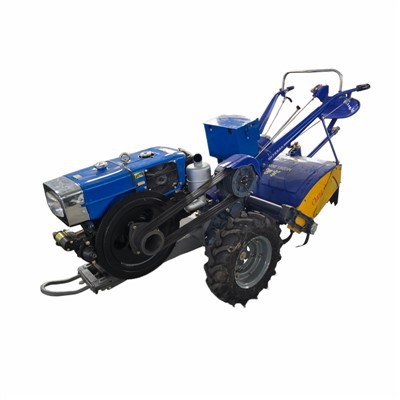
If you’re in the market for a tractor and need to know the maximum load it can carry for your specific application, we’re here to help. Our team of experts can provide you with detailed information about our tractor models and their load – carrying capacities. We can also assist you in choosing the right tractor for your needs. Whether you’re a farmer, a construction worker, or a landscaper, we have the perfect tractor solution for you.
Agricultural Implements Don’t hesitate to reach out to us to start a conversation about your tractor requirements. We look forward to working with you to find the best tractor for your load – carrying needs.
References
- "Tractor Operation and Maintenance Manuals" – Various tractor manufacturers
- "Agricultural Engineering Handbook" – American Society of Agricultural and Biological Engineers
- "Construction Equipment Technology" – McGraw – Hill Education
Shandong Ling Ke Industry Group Co., Ltd.
As one of the most professional tractor manufacturers and suppliers in China, we’re featured by quality products and good price. Please rest assured to buy cheap tractor for sale here from our factory. We also accept customized orders.
Address: 50 Meters West of the Connecting Road Between Jiuma Road and Shima Road, Fangzi District, Weifang City, Shandong Province, P.R.China
E-mail: aileenlin@sdlingkegroup.com
WebSite: https://www.lingketractor.com/
