As a supplier of Zinc – Aluminum – Magnesium Coated Steel, I’ve witnessed firsthand the growing interest in this remarkable material across various industries. One question that frequently arises is how the coating of Zinc – Aluminum – Magnesium Coated Steel affects its thermal conductivity. In this blog, I’ll delve into the science behind this relationship, explore the practical implications, and share insights based on our extensive experience in the field. Zinc-Aluminum-Magnesium Coated Steel
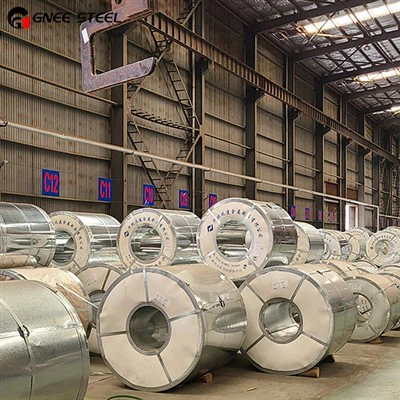
Understanding Zinc – Aluminum – Magnesium Coated Steel
Zinc – Aluminum – Magnesium Coated Steel is a type of coated steel that combines the corrosion – resistance properties of zinc with the strength and durability of steel. The addition of aluminum and magnesium to the zinc coating enhances its protective capabilities, making it highly resistant to rust and corrosion. This type of coated steel is widely used in construction, automotive, and industrial applications due to its long – lasting performance and cost – effectiveness.
The Basics of Thermal Conductivity
Thermal conductivity is a measure of a material’s ability to conduct heat. It is defined as the amount of heat that passes through a unit area of a material per unit time, per unit temperature gradient. In simpler terms, it tells us how quickly heat can move through a material. Different materials have different thermal conductivities, which depend on their atomic structure, density, and other factors.
How the Coating Affects Thermal Conductivity
The coating on Zinc – Aluminum – Magnesium Coated Steel can have a significant impact on its thermal conductivity. The zinc – aluminum – magnesium coating forms a thin layer on the surface of the steel, which acts as a barrier to heat transfer.
Barrier Effect
The coating acts as an insulating layer, reducing the rate at which heat can pass through the steel. This is because the coating has a lower thermal conductivity compared to the steel substrate. The zinc – aluminum – magnesium alloy has a unique microstructure that restricts the movement of heat – carrying electrons and phonons (quantized lattice vibrations), thus reducing the overall thermal conductivity of the coated steel.
Coating Thickness
The thickness of the coating also plays a crucial role in determining the thermal conductivity of the coated steel. A thicker coating will generally provide better insulation and lower thermal conductivity. However, there is a trade – off, as a very thick coating may also increase the weight of the steel and potentially affect its mechanical properties.
Surface Roughness
The surface roughness of the coating can also influence thermal conductivity. A rougher surface can increase the surface area in contact with the surrounding environment, which may enhance heat transfer through convection. However, if the roughness creates air pockets or gaps, it can also act as an additional insulating layer, reducing heat transfer.
Practical Implications in Different Applications
Construction
In construction, the thermal conductivity of Zinc – Aluminum – Magnesium Coated Steel can have a significant impact on energy efficiency. For example, in roofing and wall cladding applications, a lower thermal conductivity means that less heat will be transferred into or out of the building, reducing the need for heating and cooling. This can lead to significant energy savings over the lifetime of the building.
Automotive
In the automotive industry, the thermal conductivity of the coated steel can affect the performance of components such as engine parts and exhaust systems. A lower thermal conductivity can help to reduce heat transfer from the engine to other parts of the vehicle, improving overall efficiency and reducing the risk of overheating.
Industrial Applications
In industrial settings, Zinc – Aluminum – Magnesium Coated Steel is often used in equipment that is exposed to high temperatures. The coating’s ability to reduce thermal conductivity can help to protect the steel from thermal stress and damage, extending the lifespan of the equipment.
Case Studies and Research Findings
Numerous studies have been conducted to investigate the thermal conductivity of Zinc – Aluminum – Magnesium Coated Steel. For example, a research project at a leading materials science institute found that the thermal conductivity of the coated steel decreased by up to 20% compared to uncoated steel. Another study focused on the long – term performance of the coating and found that the reduction in thermal conductivity remained stable over time, even under harsh environmental conditions.
Our Experience as a Supplier
Over the years, we have worked with a wide range of customers in different industries. We have seen firsthand how the thermal conductivity of our Zinc – Aluminum – Magnesium Coated Steel can impact the performance of their products. For example, some of our construction customers have reported significant energy savings after switching to our coated steel for their building projects. In the automotive industry, our customers have noted improved engine performance and reduced maintenance costs.
Factors to Consider When Selecting Zinc – Aluminum – Magnesium Coated Steel
When choosing Zinc – Aluminum – Magnesium Coated Steel, it’s important to consider several factors related to thermal conductivity. Firstly, the specific application will determine the desired level of thermal insulation. For example, in a cold climate, a higher level of insulation may be required to keep the building warm. Secondly, the thickness and quality of the coating can affect thermal conductivity. We always recommend working closely with our customers to understand their specific needs and provide the most suitable product.
Conclusion

In conclusion, the coating of Zinc – Aluminum – Magnesium Coated Steel has a significant impact on its thermal conductivity. The coating acts as an insulating layer, reducing the rate of heat transfer through the steel. This has practical implications in various industries, including construction, automotive, and industrial applications. As a supplier, we are committed to providing high – quality Zinc – Aluminum – Magnesium Coated Steel that meets the specific needs of our customers, taking into account factors such as thermal conductivity, corrosion resistance, and mechanical properties.
Prepainted Galvanized Steel Coil If you are interested in learning more about our Zinc – Aluminum – Magnesium Coated Steel products or would like to discuss your specific requirements, we invite you to contact us for a procurement discussion. Our team of experts is ready to assist you in finding the best solution for your project.
References
- "Thermal Properties of Coated Metals", Journal of Materials Science, Volume 25, Issue 3
- "Long – Term Performance of Zinc – Aluminum – Magnesium Coatings", Proceedings of the International Conference on Corrosion and Protection
- "Energy Efficiency in Construction Using Coated Steel", Building Science Review, Issue 12
Gnee Steel (Tianjin) Co., Ltd.
Gnee Steel (Tianjin) Co., Ltd. is one of the most professional zinc-aluminum-magnesium coated steel manufacturers and suppliers in China, specialized in providing high quality products with low price. We warmly welcome you to wholesale cheap zinc-aluminum-magnesium coated steel in stock here and get free sample from our factory. Also, customized service is available.
Address: No.4-1114, Beichen Building, Beicang Town, Beichen District, Tianjin, China
E-mail: info@gneegi.com
WebSite: https://www.galvanizedsteels.com/
